
Pickleball vs. Tennis: Why the Fastest-Growing Sport is Taking Over the Court
As of 2026, pickleball has officially transcended “trend” status to become a staple of American recreation, with over 22 million active players nationwide.
But for many, the question remains: How does it actually stack up against the “Sport of Kings”?
If you are considering upgrading your property or community space, understanding the nuances of pickleball vs. tennis is the first step toward building a world-class athletic environment.
Rackets, Paddles, and Gear
At first glance, both sports look similar: two or four players, a net, and a lot of running. However, the equipment tells a different story.
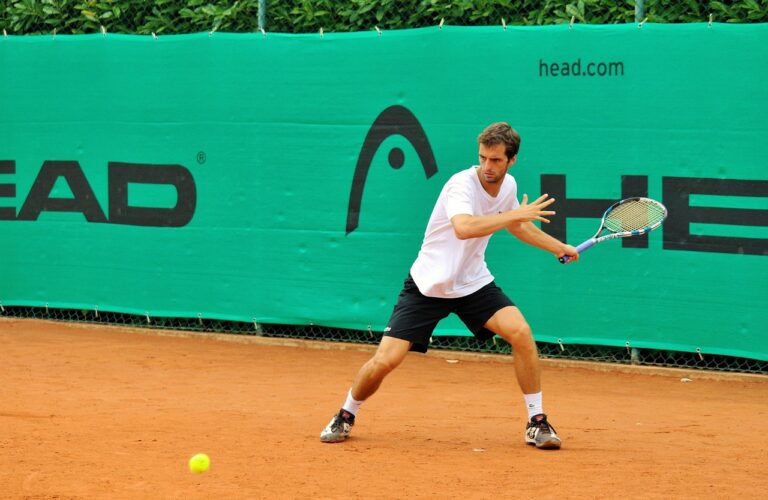
- The Gear: Tennis relies on powerful, stringed rackets designed to catapult a pressurized felt ball across a massive court. Pickleball uses solid paddles, often crafted from high-tech carbon fiber, to strike a perforated plastic ball (similar to a wiffle ball).
- The Physics: Because the pickleball is lighter and has more wind resistance, the game is played at a different rhythm. While tennis is about long-distance power and top-spin, pickleball is a fast-paced battle of reflexes and strategy.
Pickleball vs. Tennis: Which is easier to learn?
Most experts agree that pickleball has a much shallower learning curve. While tennis can take months to master a consistent serve and backhand, most new players can sustain a fun rally in their very first pickleball session.
The Court Comparison

The biggest point of confusion for property owners is often the court dimensions.
| Feature | Tennis Court | Pickleball Court |
| Dimensions | 78′ x 36′ (Doubles) | 44′ x 20′ |
| Total Footprint | ~60′ x 120′ (incl. out-of-bounds) | 30′ x 60′ (incl. out-of-bounds) |
| Net Height | 36″ at the center | 34″ at the center |
A standard comparison shows that you can actually fit nearly four pickleball courts into the footprint of a single tennis court.
This space efficiency is why many tennis court types are being converted or dual-lined to accommodate more players.
Pro Tip: If you’re wondering how tall a tennis net is vs. a pickleball net, remember that a tennis net is two inches higher at the center. While you can use a tennis net in a pinch, professional pickleball court installation ensures the net is at the regulation height for competitive play.
Can You Play Pickleball on a Tennis Court?
The short answer is yes, but with a caveat.
While you can use the same asphalt or concrete base, the friction and “grit” of the surface matter. Pickleball requires a specific texture for that plastic ball to bounce predictably.
At Lancaster Asphalt, we specialize in resurfacing that caters to both sports. By adding professional “blended lines,” we can transform your existing athletic surface into a multi-sport hub without losing the integrity of the original tennis layout.
Which is More Competitive?
Don’t let the smaller court fool you; pickleball is incredibly competitive. Because the court is smaller, the “reaction window” is shorter.
Players engage in “dinking” battles at the “Kitchen” line (the non-volley zone), requiring intense focus and soft-touch precision.
Tennis, conversely, is a test of cardiovascular endurance. The serve is a massive weapon, and the groundstrokes require full-body rotation and strength.
Both sports offer incredible longevity benefits, but pickleball’s social nature, where you are physically closer to your opponents,m makes it the ultimate community-builder.
Want to brush up on the fundamentals before your court is finished? Check out our guide to Pickleball Rules.
Why It’s Time to Build

Whether you’re a lifelong tennis enthusiast or a new pickleball convert, the value of a high-quality court is undeniable.
In 2026, properties with dedicated pickleball access are seeing a significant boost in market interest and community engagement. Don’t settle for cracked pavement or faded lines. Whether you need a fresh pickleball court, a classic tennis setup, or a hybrid of both, we have the expertise to bring your vision to life.
